Adapting Seating Awareness Across Poker Tables and Blackjack Pits in Physical Casinos
Written by Jonas Lang · Sep 29, 2026
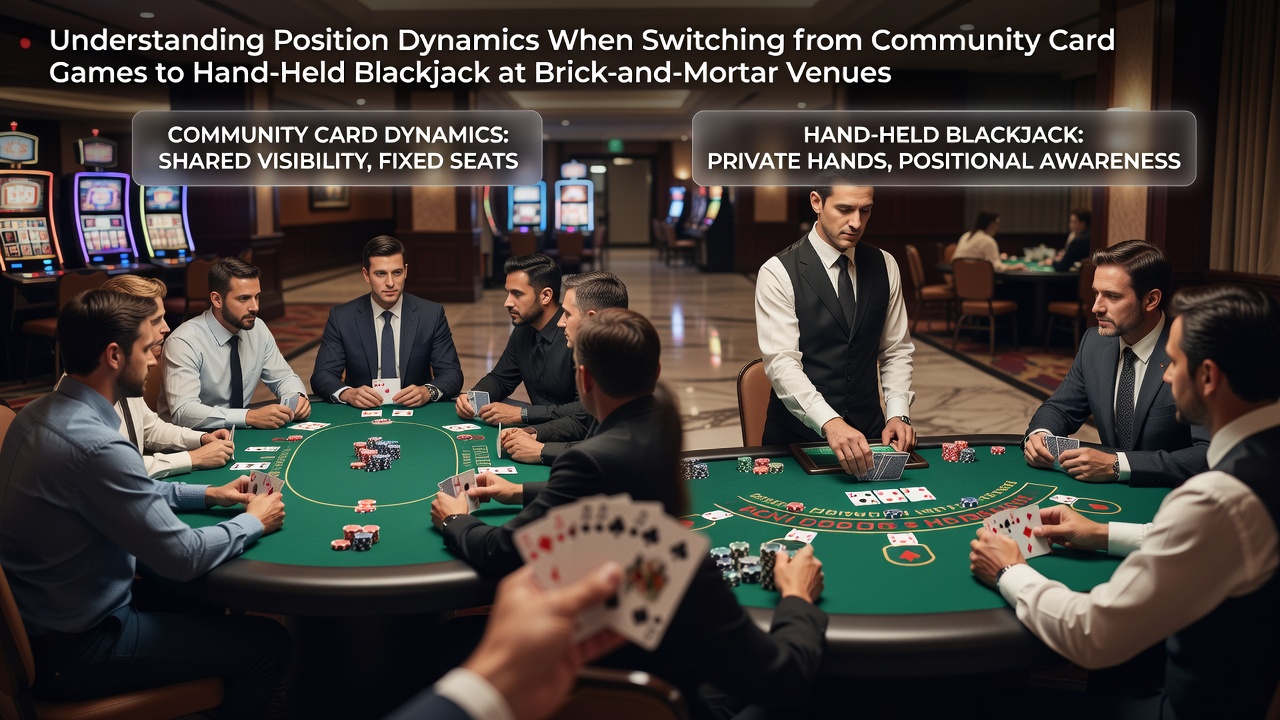
Adapting Seating Awareness Across Poker Tables and Blackjack Pits in Physical Casinos
Community card games place heavy emphasis on relative seating because later positions allow players to observe actions before committing chips, whereas hand-held blackjack shifts the focus toward individual decisions against the dealer with less interdependence among participants. Observers note that this change requires adjustments in how individuals process information from surrounding seats, especially when moving between formats at the same venue.
Research from gaming studies indicates that position in poker variants influences range construction and bluff frequencies because early seats face more opponents while late seats gain informational advantages. Data from regulated cardrooms shows that players who master these dynamics often record higher win rates over extended sessions, according to reports compiled by state oversight bodies.
Core Differences in Positional Value
Blackjack pits operate under a player-versus-dealer structure where each participant receives a personal hand, reducing the direct impact of acting order compared to shared community cards. Yet seating still affects the sequence of decisions and the visibility of other players' results before the dealer resolves the round. Those who've studied table flow point out that early blackjack seats see initial cards dealt while later seats gain a brief window to note outcomes, though this information carries limited strategic weight since hands remain independent.
Figures from industry analyses reveal that multi-player blackjack tables experience faster average rounds when participants understand positional pacing, which helps maintain consistent game speed without unnecessary delays. In contrast, community card formats reward delayed action because additional data arrives before a decision point.
Physical Venue Considerations
Brick-and-mortar environments introduce tactile and visual elements absent from digital platforms, such as chip handling rhythms and dealer positioning that vary by seat. Players transitioning from poker often discover that blackjack dealers rotate clockwise or counterclockwise depending on house rules, altering the timing of card delivery relative to each position. According to observations recorded at major casino properties, this rotation pattern remains consistent within a single property but can differ across jurisdictions.
September 2026 brings updated floor layouts at several large venues that adjust pit configurations to accommodate higher table density, which in turn modifies sight lines from certain seats to the discard tray and chip racks. These changes affect how quickly individuals can track remaining cards without altering core game rules.
Practical Adjustments for Players
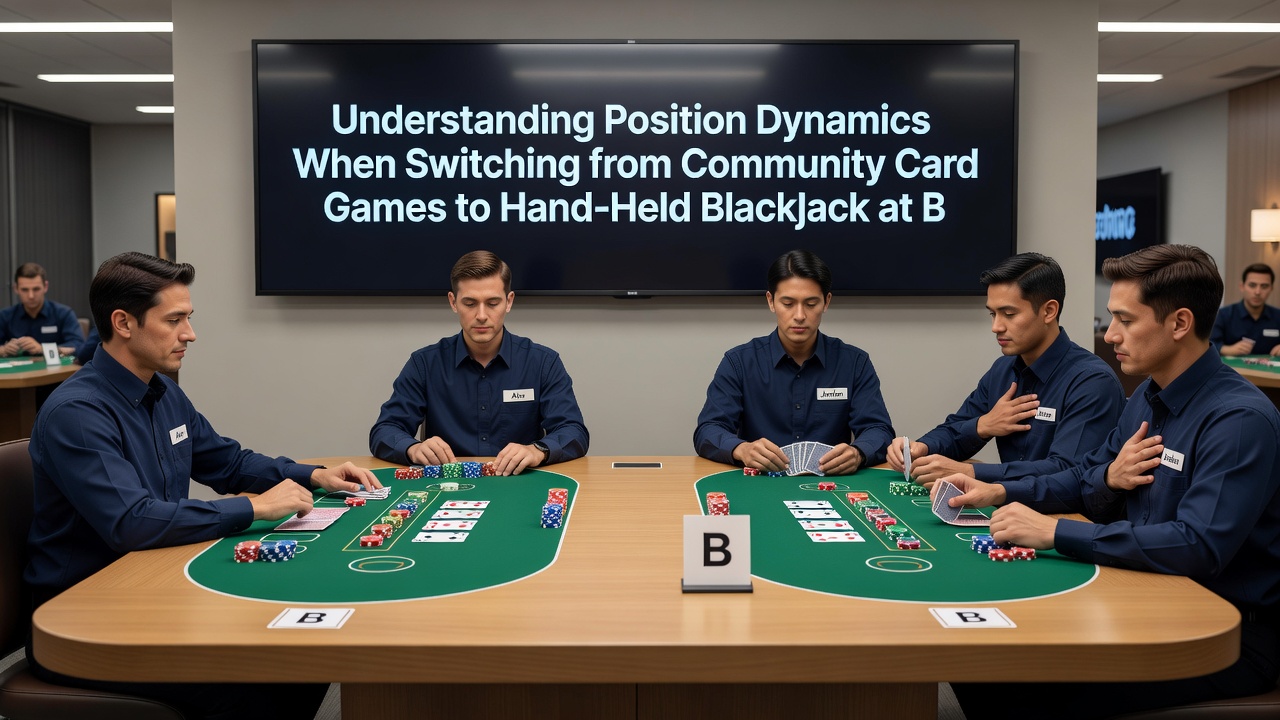
Individuals moving between formats benefit from recalibrating their attention patterns, because poker-trained observers frequently scan for opponent tendencies that hold less relevance in blackjack. Studies conducted by academic researchers at gaming-focused institutions demonstrate that focused attention on personal hand totals and dealer upcards yields more consistent results than monitoring adjacent players. Venue staff report that clear signage at table edges helps newcomers identify optimal entry points when tables open.
Take one documented case from a Nevada property where analysts tracked session data across both game types and found that players who spent initial minutes mapping seat-specific dealer angles reduced minor errors in hand signaling. Similar patterns appear in reports from Australian state gaming authorities, where position orientation training forms part of responsible play materials distributed at land-based sites.
Information Flow and Observation Windows
Hand-held blackjack limits the value of late-position information because each hand resolves independently, yet the ability to note mucked cards or dealer procedures still provides minor contextual cues. Data collected through observational studies shows that these cues prove most useful during continuous shuffle machine downtime when manual procedures extend the window for visual tracking. Community card games, by comparison, embed positional information directly into every betting round through visible actions.
Regulatory filings from the New Jersey Division of Gaming Enforcement highlight that table minimums and maximums often align with seat count, which indirectly influences how position affects bankroll pacing across an evening. Players who account for these alignments maintain steadier session lengths when alternating between poker and blackjack sections of the same facility.
Conclusion
Transitioning between these formats requires recognition that positional advantages shift from interactive to largely procedural, with physical casino elements adding another layer of adaptation. Evidence from multiple regulatory and academic sources confirms that structured observation of seating dynamics supports smoother movement across game types without reliance on subjective preferences. Venues continue to refine layouts and procedures, particularly around periods such as September 2026, to maintain consistent experiences for participants navigating both community card and hand-held blackjack environments.