Digital Aids Supporting Session Oversight for Players Switching Between Hold'em Cash Games and Virtual Blackjack
Written by Zoe Carter · Oct 13, 2026

Digital Aids Supporting Session Oversight for Players Switching Between Hold'em Cash Games and Virtual Blackjack
Players who move between Texas Hold'em cash tables and virtual twenty-one rounds often rely on specialized software to maintain records of their activity across both formats, and these programs compile hand histories, calculate session statistics, and organize bankroll data into unified views. Research from the University of Nevada Reno Gaming Laboratory shows that such tools emerged as digital platforms expanded access to multiple game types in regulated markets during the mid-2020s.
Core Functions Across Game Types
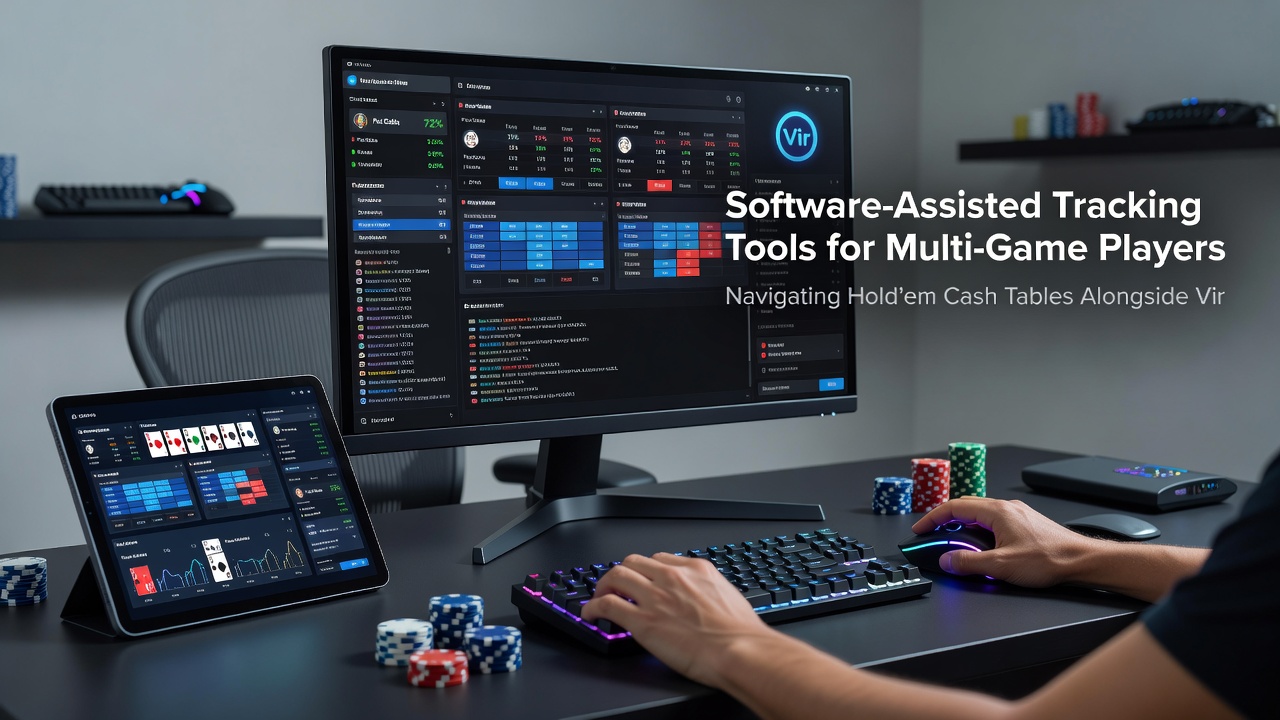
Tracking applications capture real-time data from poker clients while simultaneously logging virtual blackjack outcomes through API connections or screen-scanning modules, and this dual capability allows users to review metrics such as win rates per hour in cash games alongside average bet sizes and return percentages from simulated card sessions. Observers note that programs like these frequently include filters for position-specific performance in Hold'em and deck-composition analysis in twenty-one variants.
Database features store thousands of hands from cash tables together with virtual shoe sequences, enabling pattern identification over extended periods, yet the systems operate within the technical limits set by each platform's data export policies. Figures from the New Jersey Division of Gaming Enforcement indicate that multi-game participants in that state increased their use of session-logging software by 18 percent between 2024 and 2026.
Integration Challenges and Solutions
Combining poker cash game data with virtual blackjack records presents formatting differences because Hold'em tools emphasize pot odds and range construction while blackjack modules focus on deviation charts and true-count tracking, and developers address this by creating unified export formats that convert both datasets into comparable spreadsheets or visual dashboards. Players who alternate between the two formats often set custom alerts for bankroll thresholds that apply across both game categories.
Security protocols within these applications encrypt stored session information and require two-factor authentication before allowing data synchronization across devices, while updates released in October 2026 introduced compatibility patches for new virtual twenty-one providers entering the Australian market. Industry reports from the Australian Gambling Research Centre document similar adoption trends among frequent visitors to licensed online platforms.
Regulatory Context and Data Handling
Operators in multiple jurisdictions require that tracking software respect platform terms prohibiting automated decision-making during live play, and compliance features built into current versions flag any functions that could cross into real-time assistance categories. The Nevada Gaming Control Board updated its guidance on third-party tools in early 2026 to clarify acceptable logging practices for players participating in both poker cash games and virtual table offerings.
Academic studies published by researchers at Simon Fraser University in Canada examined how aggregated session data from multi-game users revealed correlations between session length in Hold'em and subsequent performance shifts in virtual blackjack rounds, though the findings remained descriptive rather than prescriptive. Those analyses drew on anonymized datasets supplied by voluntary participants through opt-in research portals.
Practical Applications Observed in Regulated Markets
Case examples from licensed European operators illustrate players exporting weekly summaries that combine equity realization percentages from cash tables with expected value calculations from virtual twenty-one sessions, and these summaries assist in identifying time-of-day patterns or variance spikes across both activities. Software interfaces present this information through customizable charts that update automatically when new hands or rounds are imported.
Community forums hosted by gaming associations in several provinces record discussions about file compatibility when transferring data between different tracking platforms, and updates scheduled for late 2026 aim to standardize import protocols further. Data from these forums indicates steady growth in the number of registered users managing records for more than one game type simultaneously.
Conclusion
Software-assisted tracking tools continue to evolve in response to expanding multi-game participation across regulated Hold'em cash environments and virtual twenty-one platforms, with developers focusing on seamless data integration, regulatory compliance, and cross-device accessibility. Information compiled by government agencies and university research groups demonstrates measurable adoption rates and technical refinements through 2026, while maintaining clear boundaries around permissible functionality in each jurisdiction.